Listing in Circle C soon? The fastest way to lose momentum is a last‑minute snag with the Architectural Control Committee. You want your photos to shine, your listing to launch on time, and your buyer to feel confident from the first showing. This guide shows you which exterior projects typically need ACC approval in Circle C, how to get approvals moving before photos, and which documents buyers will ask for so you protect your timeline and your bottom line. Let’s dive in.
Why ACC approvals matter in Circle C
Most master‑planned communities like Circle C use an Architectural Control Committee to review exterior changes for consistency with deed restrictions and design standards. ACC review is separate from City of Austin permits, so many projects require both. If you complete work without approval, you can face delays, extra costs, or even removal orders.
Unapproved work often leads to buyer contingencies, price concessions, or escrow holdbacks. By lining up ACC approvals and any city permits before listing, you lower risk and make your home easier to buy and finance. It is a simple way to keep your launch on schedule and strengthen buyer confidence.
Projects that often need Circle C ACC approval
Circle C’s specific rules can change, so verify current standards with the HOA or management team before starting work. These categories commonly trigger ACC review in master‑planned communities:
Roof replacement or material changes
- Replacing the roof with a different color, material, or visible profile usually requires review.
- Like‑for‑like repairs may be exempt, but always confirm what qualifies as maintenance versus replacement.
Exterior paint and color changes
- Changing your exterior color palette typically requires submittal with color samples.
- Touch‑ups in existing approved colors may not need approval, but a full repaint usually does.
Fences, gates, and screening along property lines
- New fences, height changes, or material and color changes typically need ACC approval.
- Expect to provide a site plan or survey that shows fence location relative to property lines and easements.
Pools, spas, and major landscape regrading
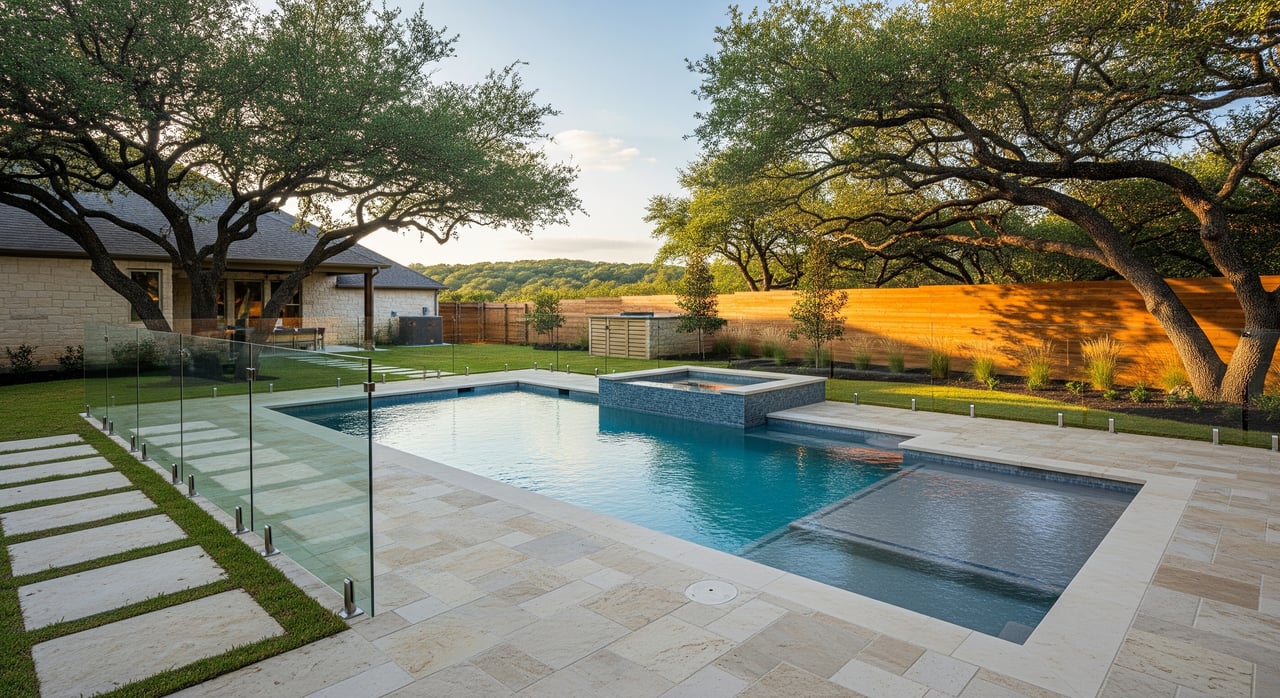
- Inground pools and spas almost always require ACC approval plus City of Austin permits and inspections.
- Retaining walls, grading changes, or drainage work that impacts neighboring lots typically requires ACC review.
Patios, pergolas, decks, and hardscapes
- New or expanded patios and decks, permanent hardscape, and retaining walls generally trigger review.
- Prepare a site plan and product specifications for a smoother submittal.
Accessory structures and sheds
- Storage sheds, detached garages, and play structures usually require approval, with size, height, and placement standards common.
Solar panels and visible mechanical equipment
- Solar installations often require ACC approval for placement and aesthetics, plus building and electrical permits.
- New exterior HVAC units or utility equipment may require screening that meets ACC guidelines.
Driveways, parking pads, and impervious cover
- Expanding driveways or adding hard surfaces can raise stormwater and impervious cover concerns, which often require ACC review and city permits.
Exterior lighting and signage
- Permanent landscape or security lighting typically needs review for light spill and style conformance.
Satellite dishes, flagpoles, and temporary structures
- Placement and size are commonly regulated. Small satellite dishes are often allowed by federal rules, but placement and screening can still be subject to standards.
What might not need approval
Routine maintenance and true like‑for‑like repairs are often allowed without formal review. Examples include replacing broken siding with the same material and color or repairing a roof using the same shingles. Always check the ACC’s maintenance and repair exemptions before you begin so you know where the line is.
How to queue approvals before listing photos
Getting approvals moving early is the best way to prevent a marketing delay. Use this step‑by‑step approach.
Step 1: Verify requirements early
- Within the first three days, contact Circle C’s ACC or community management to confirm the current application forms, required attachments, fees, and standard timelines.
- Request the architectural design guidelines, including current palettes and standards for fences and exterior finishes.
Step 2: Gather documentation
- Collect a site plan or survey showing property lines, setbacks, easements, and the location of proposed work.
- Take photos of existing conditions from every side and include closeups of elements you will change.
- Add product specifications, color swatches, contractor licenses and insurance, and a clear scope of work with timing.
Step 3: Submit a complete package
- Incomplete applications cause most delays. Double‑check that your packet includes all drawings, photos, specs, and forms.
- Pay any required fees and request written confirmation of receipt.
Step 4: Ask about status and expedited options
- Some ACCs offer preliminary or concept review for items like paint colors or replacement materials. Ask if you can obtain a quick preliminary sign‑off for photo‑critical items.
- If your timeline is tight, request written confirmation that your proposed materials and colors are acceptable or that your submittal is under expedited review.
Step 5: Coordinate city permits in parallel
- File any City of Austin permits at the same time. In some cases, the ACC will not grant final approval until city permits are issued.
- Schedule contractors so approved work is completed before professional photography.
How long it takes
- ACC review can be a few days for simple color approvals and several weeks for complex projects. Some committees meet monthly, others review administratively.
- City permits may take days to several weeks depending on scope and queue. Build this into your launch plan.
Practical tips for photo‑ready timing
- Prioritize the most visible items first, such as paint, roof color, front fencing, or front yard hardscape.
- Flag your application as photo‑critical to help the ACC prioritize.
- If approval is likely but pending, you can stage the interior and prepare the listing. Be careful not to advertise that exterior approvals are in hand until you have written confirmation.
- If a full replacement will not finish before your target launch, consider cosmetic improvements that do not require ACC approval, such as cleaning, power washing, or replacing hardware.
What buyers, lenders, and title will ask for
Buyers and their lenders will want proof that exterior work was done correctly and legally. Having a complete folder ready can reduce contingencies and help your home feel more turnkey.
- ACC approval letters or stamped plans for any exterior modifications, including fences, pools, roofs, and additions.
- City of Austin permits and final inspection certificates for all permitted work.
- Contractor invoices, receipts, warranties, and proof of paid permits or closeouts.
- Current HOA documents, including covenants, architectural guidelines, and any amendments.
- An estoppel or account statement from the HOA showing dues, assessments, and any outstanding violations or fines.
- A survey or plot plan showing improvements relative to property lines and easements, especially for fences, pools, and additions.
- Any recorded documents for easements or variances.
- Seller’s disclosure forms, including any knowledge of unpermitted work or prior violations.
- Before and after photos that match the approved plans where helpful.
Lenders and appraisers use these records to verify permitted work and value. Buyers rely on them to avoid HOA conflicts after closing. Title companies also look for liens or unresolved HOA violations.
If work was done without approval
If exterior work is unapproved, address it before you list whenever possible. Many buyers will ask for retroactive ACC approval or a price concession to offset risk.
- Contact the ACC to determine whether retroactive approval is possible and what drawings or photos you need to provide.
- Disclose the situation, provide proof of any application in process, and set a target decision date.
- Be prepared for requests such as an escrow holdback, seller‑paid remediation, or removal of noncompliant features if approval is denied.
- If the situation is complex, consult a local real estate attorney for guidance on risk, timelines, and negotiation strategy.
Pre‑list checklist for Circle C sellers
Use this practical checklist to get photo‑ready without last‑minute surprises.
- Contact Circle C’s ACC or management for the latest application checklist, fees, and timelines.
- Collect existing ACC approvals, permits, surveys, and contractor receipts for past work.
- For planned upgrades such as paint, roof, fence, solar, or pool, submit complete ACC applications with full documentation.
- Apply for City of Austin permits where required and keep copies of applications and issued permits.
- Order a current HOA estoppel or account statement early, since processing can take time.
- Locate your survey or prepare a site plan for any fence, patio, or pool submittals.
- Schedule contractors so approved work and inspections can be completed before photography.
- Build a disclosures folder for buyers with approvals, permits, receipts, warranties, and governing documents.
A conservative timeline you can trust
- Weeks −6 to −4: Contact the ACC, gather documents, choose contractors, and submit ACC and city permit applications.
- Weeks −4 to −2: ACC and city review. Address conditions and begin approved work.
- Weeks −2 to 0: Complete work, obtain final inspections and closeouts, and collect warranties and receipts.
- Week 0: Take listing photos once approvals and aesthetics are final. Make documentation available to buyer agents.
If your timeline is compressed
- Prioritize highly visible items like paint or front fencing and request preliminary or expedited review.
- Be transparent in agent remarks that approvals are pending and provide expected dates.
- Use cosmetic improvements that do not require approval to keep photos on track.
Make your photos count and your closing smooth
A clean, ACC‑compliant exterior reduces buyer friction, strengthens offers, and keeps your closing on schedule. By submitting complete applications early, coordinating city permits, and preparing a clear documentation folder, you set the tone for a low‑risk, high‑confidence listing experience. If you want a step‑by‑step plan and help sequencing approvals with contractors and photography, reach out to The Jeffrey Brown Group for guidance tailored to your home and timeline.
FAQs
What is the ACC in Circle C and why does it matter?
- The Architectural Control Committee reviews exterior changes for compliance with community design standards, which is separate from city permits and can affect your listing timeline.
Which exterior projects typically need Circle C ACC approval?
- Roof color or material changes, exterior repainting, fences, pools and grading, patios and decks, accessory structures, solar and mechanical equipment, driveway or hardscape expansions, and exterior lighting.
Do I still need City of Austin permits if I have ACC approval?
- Yes, ACC approval is separate and many projects require both, especially pools, electrical or structural work, and certain hardscape changes.
How long do ACC approvals usually take before listing?
- Simple items like paint colors may take a few days, while complex projects can take two to six weeks or more depending on the committee’s review process.
What documents should I have ready for buyers in Circle C?
- ACC approvals, city permits and final inspections, contractor invoices and warranties, HOA governing documents and estoppel, a current survey, and complete seller disclosures.
What if past work was done without ACC approval?
- You can seek retroactive approval, disclose the situation, and be ready to negotiate solutions such as escrow holdbacks, remediation, or removal if approval is denied.